
Our blog.
It's never too early to be safe.
TikTok and YouTube 'Not Safe Enough' for Kids: What Parents Can Actually Do Tonight
Ofcom says TikTok and YouTube aren't safe enough for children. Here's the one-sentence rule to teach your child before the next video plays — and the three settings to switch on tonight.
How to Talk to Your Child About AI Chatbots (The Robot Rule)
Children are starting to treat AI chatbots like trusted friends. Here's the simple Robot Rule that keeps them safe — plus a two-minute classroom drill teachers can run this week.
Deepfakes, Voice Cloning, and the Family Password Every House Should Have
AI can now clone a voice from a few seconds of audio. The simplest defence is something a five-year-old can remember: a silly family password only you know.
Safety Settings Aren't Spying — They're Seatbelts. Three to Switch On Tonight.
UK parents are caught between "I don't want to spy" and "I need to protect." Here's the reframe that solves it — plus three seatbelts to switch on tonight and a checklist schools can send home.
The New App Test: Three Questions Every Child Should Ask Before They Download
Parents constantly ask: "Is this new app safe?" The apps change weekly — the risk patterns don't. Cyber Ved's three-question New App Test works for any game or app, ever.
How to Teach Your Child About Online Safety (Without the Fear)
A calm, practical guide for UK parents on teaching online safety to children aged 4–9 — what to say at each age, the four habits that matter most, and how to start the first conversation this week.
How to Explain Phishing to a 6-Year-Old (in Words That Actually Stick)
Phishing isn't a grown-up problem any more — children see it in games, on YouTube, in messages from "friends". Here's how to explain it to a 6-year-old in language they'll remember, plus the three questions every child should learn to ask.
What Is E-Safety in KS1? A Plain-English Guide for Parents and Teachers
E-safety in KS1 (ages 7–9) is more than "don't talk to strangers online". Here's what the UK curriculum expects, what the four core themes actually mean, and how to teach each one in a way 7–9-year-olds will remember.
From Prodigy to 'Everything Is Fake': How We Got Here (and What the UK Online Safety Act Means for Families)
The internet didn't lose its mind — it did exactly what we rewarded. A short history of how we got to the 'everything is fake' era, what the UK Online Safety Act changes, and a calm framework families can use at home.
AI is Changing Cyber Threats — What the UK Government's Warning Means for Parents
The UK government's open letter on AI cyber threats applies to families too. Here's a plain-English breakdown — and three practical actions to take at home this week.
When a Story Changes the Conversation: What Adolescence's BAFTA Win Means for Online Safety
Netflix's Adolescence swept the BAFTAs by doing what data never could — making us feel the cost of starting too late. Here's why the window before adolescence matters most.
Digital Wellness: How to Talk to Your Child About Cyberbullying
How to talk to your child about cyberbullying without scaring them — and empower them to ask for help.
Trust Your Tummy: The Power of the Butterfly Tingle
The most powerful tool a child has online isn't software — it's their own intuition. We call it the Butterfly Tingle.
When Danger Wears a Smiley Face: Online Safety for Kids
In the digital world, the bad guys rarely look like monsters. They look like new friends, free gifts, and exciting adventures. Here's how to spot the disguises.
Too Young for Cybersecurity?
Isn't four or five years old too young to start? No. Here's why early is exactly right — and how to give your child their digital helmet.
Frameworks for parents,
teachers and schools.
Online safety worksheets for ages 4–9.
Storybook-led activity sheets, superhero rules and 4S mini-drills — built for UK parents, teachers and schools.
Quick tips for parents.
Straight to your screen.
A YouTube playlist of short, practical tips to help you start the online safety conversation with your child.
Trusted by leading
online safety platforms.
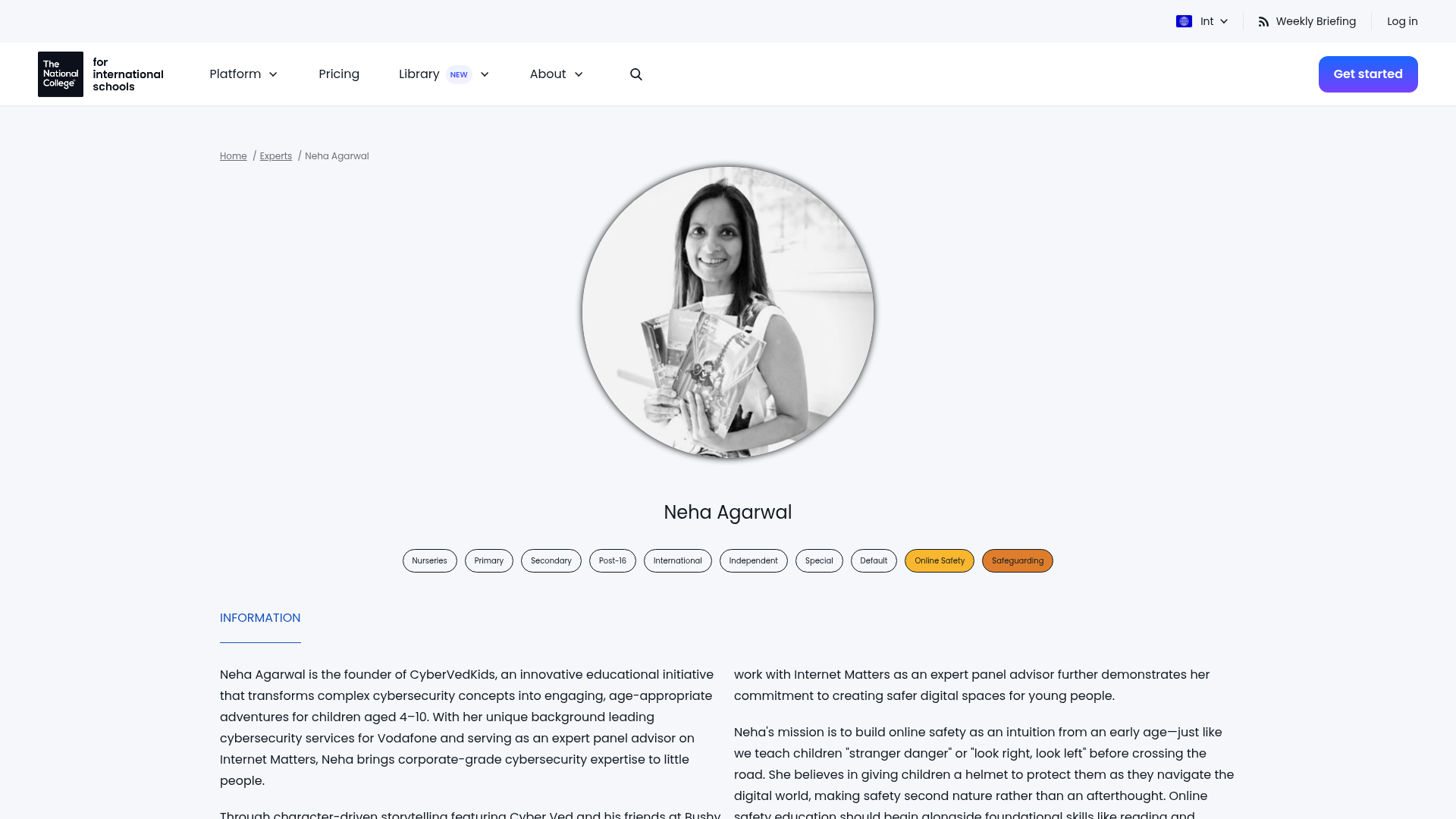
UK Online Safety Act 2023 — compliance tips.
A practical primer from Lexology on what the Online Safety Act means for platforms, with takeaways parents and educators can use to ask sharper questions about the apps in their children's lives.
Read on Lexology →How to talk about online safety — Internet Matters.
A warm, practical guide from Internet Matters on opening up everyday conversations with your child about life online — what to ask, how to listen, and how to keep the door open as they grow.
Read on Internet Matters →